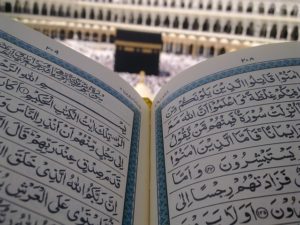
Ramadan arrives each year as more than just a month of fasting. It brings a unique opportunity to connect with the Quran in ways that feel deeper and more meaningful. Many Muslims notice their hearts soften during these blessed days, making it the perfect time to open the Quran with fresh eyes and eager hearts.
Learning the Quran during Ramadan isn’t about perfection. It’s about taking small, consistent steps toward understanding the words Allah revealed to guide us. Whether you’re a parent hoping to inspire your children or someone starting this journey yourself, this month offers rewards that multiply with every letter you read.
Why Ramadan Is the Month of the Quran
The Quran itself tells us that Ramadan holds special significance. Allah revealed the first verses of the Quran during this month, making it forever connected to His divine message.
“The month of Ramadan [is that] in which was revealed the Quran…” (Quran 2:185).
The Prophet Muhammad (peace be upon him) would meet Angel Jibreel every night in Ramadan to review the Quran together. (reported in Sahih al-Bukhari, Hadith 6)
This historical connection means something practical for us today. When we learn the Quran in Ramadan, we’re following a tradition that goes back to the Prophet himself. The gates of mercy open wider during these thirty days, and our efforts to understand Allah’s words receive extra blessings.
“When Ramadan begins, the gates of Paradise are opened…” Sahih al-Bukhari, Hadith 1899).
Think of Ramadan as a spiritual training ground. Your body learns discipline through fasting, while your soul learns peace through the Quran. The two work together, creating a complete experience of worship that touches every part of your daily life.
Start with just five minutes of Quran reading after iftar. Small beginnings often lead to lasting habits.
Spiritual Benefits of Learning the Quran in Ramadan

Reading the Quran during Ramadan creates a calmness that’s hard to find elsewhere. After a long day of fasting, sitting with the Quran brings a sense of peace that refreshes both body and mind.
Allah describes the Quran as a healing and mercy for believers (Quran 10:57). This isn’t just spiritual talk; many people report feeling genuinely lighter and more centered when they make the Quran part of their Ramadan routine.
Each letter of the Quran carries rewards, and these rewards multiply in Ramadan. The Prophet (peace be upon him) taught us that reading one letter earns ten good deeds. (reported in Jami at-Tirmidhi, Hadith 2910). During this blessed month, scholars say those rewards increase even more. That means a few verses before bed could mean hundreds of blessings in your scale.
The Quran also becomes your companion through the challenges of fasting. When hunger strikes or energy drops, reflecting on a favorite verse can lift your spirits instantly. Parents often notice their children behave better and complain less when the family maintains a daily Quran routine during Ramadan.
Beyond rewards, learning the Quran helps you understand your purpose. Many verses speak directly about patience, gratitude, and trusting Allah, exactly what you need while fasting. This understanding transforms Ramadan from a month of restriction to a month of growth.
How Quran Learning Strengthens Faith and Character
The Quran doesn’t just sit on your shelf waiting for special occasions. When you learn it properly, it starts shaping how you think, speak, and act. Ramadan accelerates this transformation because you’re already in a state of heightened awareness and spirituality.
Regular Quran study during Ramadan builds patience in unexpected ways. Learning tajweed rules or memorizing verses requires focus and repetition. This patience you develop with the Quran naturally extends to other areas, dealing with difficult people, handling work stress, or managing family responsibilities.
The Quran’s teachings on honesty, kindness, and justice become clearer when you read them while fasting. Your defenses are down, your heart is softer, and the messages sink deeper. A verse about controlling anger might strike you differently on day fifteen of fasting than it would in any other month.
Children who learn the Quran during Ramadan often surprise their parents with improved behaviour. The stories of prophets teach resilience, the commands teach discipline, and the promises teach hope. These lessons stick because they’re learned during a month when everyone in the family is trying to be their best self.
The Prophet (peace be upon him) said: “The best of you are those who learn the Quran and teach it.” (Sahih al-Bukhari, Hadith 5027).
If you want structured guidance for your family’s Quran journey, professional online Quran classes can make learning consistent and enjoyable, even during busy Ramadan schedules.
Best Ways to Learn the Quran During Ramadan

Starting is often the hardest part, but Ramadan makes it easier. Set a realistic goal based on your current level. Complete beginners might aim to learn proper pronunciation of one page per week. Those who already read Arabic could target understanding the meaning of one juz (section) by the month’s end.
Timing matters more than you might think. Early morning after Suhoor works wonderfully because your mind is fresh and the house is quiet. The hour before iftar also carries special blessings, making it ideal for Quran reading. Find what fits your routine and protect that time like you protect your meal times.
Technology can be your friend here. Quran apps with translation and tafsir help you understand what you’re reading immediately. Audio recordings let you learn proper pronunciation by listening during commutes or while preparing iftar. Just remember that technology supports learning, it doesn’t replace the feeling of holding a physical Quran.
Learning with family creates accountability and joy. Parents can read with children after Taraweeh prayer, discussing what the verses mean in simple terms. Couples can study together before bed, sharing insights from different translations. This shared learning strengthens family bonds while deepening everyone’s connection to the Quran.
Consider joining a structured program if self-study feels overwhelming. Many online platforms offer Ramadan-specific courses that match the month’s pace. Professional teachers can correct your mistakes, answer your questions, and keep you motivated when energy drops in the last ten days.
Encouraging Children and Beginners to Learn the Quran
Children approach the Quran with natural curiosity if we present it the right way. Make it exciting rather than obligatory. Let them choose a colorful mushaf (Quran copy) that they love holding. Celebrate when they master a new surah, even if it’s a short one. These small victories build confidence that lasts beyond Ramadan.
Keep lessons short and sweet for young learners. Fifteen focused minutes beats an hour of distracted struggle. Use the time before iftar when they’re hungry but not exhausted. Their desire for food actually helps them focus on finishing quickly, which builds a positive association with Quran time.
Stories from the Quran captivate children’s imagination. Instead of dry memorization, explain who Prophet Yusuf was or why Prophet Ibrahim is called the friend of Allah. Connect these stories to their daily lives, patience like Yusuf, bravery like Musa, kindness like Muhammad (peace be upon them all).
For adult beginners, Ramadan removes the “too late to start” excuse. The supportive atmosphere of the month helps overcome embarrassment about starting from scratch. Many adults successfully learn to read Arabic during Ramadan because the motivation is higher and the spiritual support is stronger.
Beginners should focus on quality over quantity. Reading one verse correctly with understanding beats rushing through a page with mistakes.
Allah says He has made the Quran easy to remember for those who seek guidance (Quran 54:17).
The Quran will also intercede for its companions on the Day of Judgment (reported in Sahih Muslim, Hadith 804).
Apps like Quran.com or specialized learning platforms provide proper pronunciation guides that help beginners avoid common errors.
Ready to make this Ramadan your family’s breakthrough month with the Quran? Learn Quran Kids offers expert online teachers who specialize in making Quran learning natural and joyful for all ages. Book a free trial class and see how professional guidance transforms your Ramadan experience.
FAQs
How much Quran should I read daily in Ramadan?
Start with what feels manageable, even one page daily, builds consistency. Those who want to complete the entire Quran can read about four pages after each prayer. Quality understanding matters more than racing through pages.
Can children who don’t speak Arabic learn the Quran in Ramadan?
Yes, absolutely. Many children worldwide learn the Quran without speaking Arabic. Focus first on reading Arabic letters correctly, then add translation. Online teachers experienced with non-Arabic speakers make this process smooth and effective.
What’s the best time to study the Quran during Ramadan?
After Fajr prayer and before Iftar are spiritually powerful times. Choose when your mind is alert, and your schedule allows consistency. At the same time, daily builds a habit that continues after Ramadan ends.
Should beginners focus on memorization or understanding?
Understanding should come first for beginners. Knowing what you’re reading makes memorization easier and more meaningful. Start with frequently recited surahs, learn their meanings, then work on memorizing them properly.
How can working parents balance Quran learning with Ramadan responsibilities?
Use small time pockets wisely, listen to the Quran during commutes, read during lunch breaks, or join family study sessions after Taraweeh. Online classes offer flexible scheduling that works around jobs and family duties.
This Ramadan can be different. It can be the month you finally understand the Quran’s message for your life, the month your children fall in love with Allah’s words, or the month reading Arabic clicks after years of trying. The blessing is already here; you just need to reach for it.